
aaroncuf518697
About aaroncuf518697
Fast-Monitor Your Bedroom
Every few years the housing market rewrites the rules, and buyers who learned the last set of rules show up unprepared for the new ones. Right now, the rules have changed more than they have at any point in a generation. The buyers who understand that are finding deals. The ones who do not are making expensive mistakes.
The arithmetic here is brutal and worth understanding clearly. A buyer who financed a $400,000 home at three percent in 2021 pays roughly $1,686 per month on principal and interest. That same loan at a seven percent rate costs $2,661. That gap of nearly a thousand dollars a month is why transaction volume has fallen to levels not seen in decades. Volume collapsed. Prices mostly did not.
 Here is what that creates for someone with solid credit and a real pre-approval in hand: less competition than you would have faced in 2021 or 2022. The panic buyers are gone. The buyers who showed up with desperation instead of preparation have mostly sat back down. What remains is a more functional market, even if it is not a cheap one.
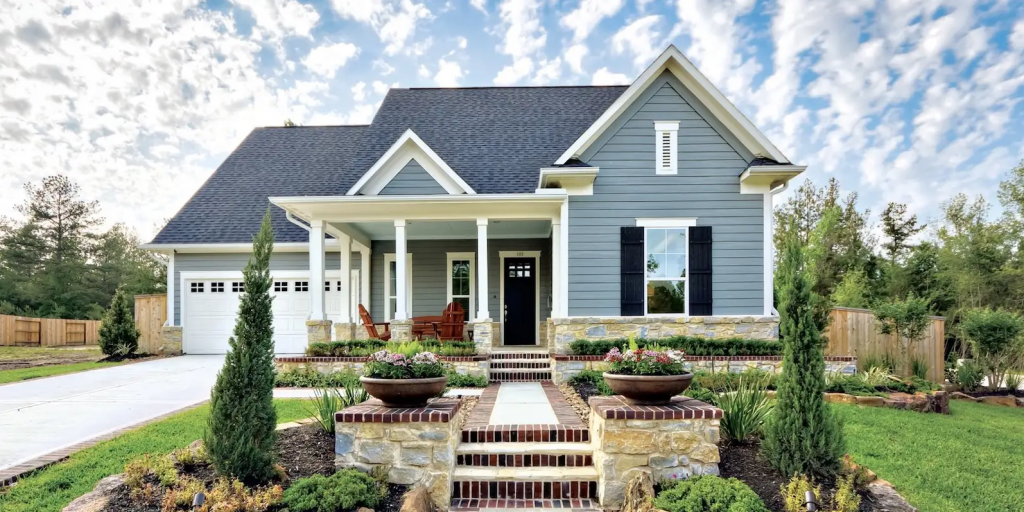 Shop at least three lenders before you commit to one. A 0.25 percent gap between two lenders’ quotes adds up to tens of thousands of dollars over the life of most home loans. Lender fees vary too. Ask each lender for a Loan Estimate document, which breaks down all costs in a standardized format.
 If the report surfaces problems that go well beyond normal wear and tear, you have real choices, and walking away is a legitimate one of them. You can ask the seller to repair specific items before closing. The one thing to avoid is accepting everything uncritically because you are afraid of losing the deal.
 Budget between two and five percent depending on your loan type and the state you are buying in. First-time buyers routinely underestimate this number. Ask your lender for a Loan Estimate as early in the process as possible.
 Real estate is illiquid. Buying and selling inside two years is almost always a money-losing proposition once you account for the full cost of both transactions. None of that means do not buy. It means be honest about your time horizon before you commit.
 Buyers who take the time to prepare before they start looking tend to find that the market is more navigable than the headlines suggest. A quick look at up-to-date property listings will tell you more about your local market than most of what you read in national coverage.
No listing found.